





Blog
Why Bamboo Products Are the Future of Eco-Friendly Living


As the world embraces more sustainable practices, bamboo products are emerging as a key player in eco-friendly living. Known for their versatility and rapid renewability, bamboo products offer a greener alternative to many traditional materials. In this article, we delve into why bamboo products are not only a viable option today but are poised to become the cornerstone of sustainable living for the future.
In the quest for sustainable living, bamboo products have taken center stage, offering a remarkable combination of durability, renewability, and minimal environmental impact. From furniture and clothing to kitchenware and personal care items, bamboo products are revolutionizing the way we think about everyday essentials. Join us as we explore why these eco-friendly alternatives are paving the way for a greener future.
With the rising demand for sustainable solutions, bamboo products are gaining popularity as an eco-friendly choice that meets modern needs without compromising the planet. Their fast growth and biodegradability make bamboo products a superior option for reducing our ecological footprint. This article will uncover the reasons why bamboo products are set to shape the future of eco-friendly living, offering practical benefits for both consumers and the environment.
Table of Contents
- Introduction
- What Makes Bamboo Eco-Friendly?
- The Versatility of Bamboo Products
- Comparing Bamboo to Traditional Materials
- Benefits of Using Bamboo Products
- Innovations in Bamboo Product Manufacturing
- How to Incorporate Bamboo Products into Your Life
- Future Trends in Bamboo Products
- Conclusion
Introduction
Bamboo based products are rapidly gaining recognition for their role in sustainable living. As the world grapples with environmental challenges, the need for eco-friendly alternatives has never been greater. Bamboo products offer a versatile and renewable solution, capable of transforming various aspects of our daily lives. This introduction sets the stage for an in-depth exploration of why bamboo based products are the future of eco-friendly living.

Overview of Bamboo Products
Bamboo products have gained significant popularity due to their eco-friendly attributes and versatile applications. From sturdy furniture and sleek flooring to stylish clothing and practical kitchenware, bamboo products offer a sustainable alternative to traditional materials. Bamboo’s rapid growth rate, durability, and biodegradability make it an ideal resource for creating a wide range of items. The natural antimicrobial properties of bamboo further enhance its appeal, making bamboo products a healthier and safer choice for households. This overview highlights the diverse and impactful role of bamboo products in promoting sustainable living.
Importance of Sustainable Living
Sustainable living is crucial for mitigating the adverse effects of climate change and preserving natural resources for future generations. By adopting eco-friendly practices and products, such as bamboo products, individuals can significantly reduce their carbon footprint and environmental impact. Sustainable living promotes the use of renewable resources, minimizes waste, and encourages responsible consumption. It fosters a healthier planet, ensuring that ecosystems remain vibrant and biodiversity is protected. Embracing sustainable living is not only a moral responsibility but also a practical approach to ensuring long-term environmental health and stability.
What Makes Bamboo Eco-Friendly?
Bamboo products are celebrated for their eco-friendliness, primarily due to bamboo’s rapid growth and renewability. Unlike traditional hardwoods, bamboo can be harvested in just a few years and regenerates without replanting. This makes bamboo products a sustainable choice that also helps reduce soil erosion and absorb carbon dioxide, benefiting our environment significantly.
Rapid Growth and Renewability
Bamboo is renowned for its rapid growth and exceptional renewability, making it a standout resource for sustainable products. Unlike traditional hardwood trees, which can take decades to mature, bamboo reaches full height within three to five years. This fast growth rate allows for frequent harvesting without depleting the plant population. Additionally, bamboo regenerates naturally from its root system, eliminating the need for replanting and reducing soil erosion. This inherent renewability makes bamboo an eco-friendly choice, providing a continuous supply of raw material for various products while maintaining environmental balance.
Minimal Environmental Impact
Bamboo products are celebrated for their minimal environmental impact compared to conventional materials. The cultivation of bamboo requires significantly less water and no pesticides or fertilizers, making it a low-impact crop. Bamboo plantations also enhance soil quality and prevent erosion, contributing positively to the ecosystem. Moreover, bamboo’s ability to absorb large amounts of carbon dioxide and release oxygen makes it a powerful ally in combating climate change. The production process for these products is generally more sustainable, consuming less energy and generating fewer pollutants. This minimal environmental footprint positions bamboo as an ideal resource for eco-conscious consumers.
Biodegradability
One of the most compelling advantages of bamboo is the biodegradability. Unlike synthetic materials such as plastic, which can persist in the environment for centuries, bamboo break down naturally and return to the earth without leaving harmful residues. This biodegradability ensures that bamboo items, at the end of their useful life, do not contribute to landfill waste or environmental pollution. The natural decomposition process of bamboo enriches the soil, promoting a healthier ecosystem. As a result, choosing bamboo helps reduce long-term waste and supports a more sustainable and circular economy.
The Versatility of Bamboo Products
The versatility of bamboo products is one of their greatest strengths. From durable household items like furniture and flooring to fashionable accessories and eco-friendly kitchenware, these products seamlessly integrate into many areas of life. Their adaptability and functional benefits make bamboo an excellent choice for those looking to reduce their environmental impact.

Household Items
Bamboo products are revolutionizing the market for household items with their durability, aesthetic appeal, and sustainability. From bamboo flooring and furniture to blinds and storage solutions, these products offer a stylish and eco-friendly alternative to traditional materials. Bamboo’s natural strength and resilience make it ideal for high-traffic areas and everyday use, while its renewable nature supports sustainable living practices. Additionally, bamboo household items often feature sleek, modern designs that blend seamlessly with various home décor styles, providing both functionality and a green touch to any living space.
Fashion and Accessories
The fashion industry is increasingly turning to bamboo as a sustainable alternative to conventional fabrics. Bamboo fibers are used to create soft, breathable, and hypoallergenic clothing that is gentle on the skin and the environment. Accessories such as bamboo sunglasses, watches, and jewelry are also gaining popularity for their unique look and eco-friendly credentials. The cultivation and processing of bamboo require fewer resources and chemicals compared to traditional textiles like cotton, making bamboo fashion and accessories a smart choice for eco-conscious consumers looking to reduce their environmental footprint without compromising on style.
Kitchenware and Utensils
Bamboo products are becoming a staple in modern kitchens, offering an eco-friendly and durable option for various culinary needs. Bamboo cutting boards, utensils, bowls, and serving trays are not only aesthetically pleasing but also resistant to moisture and bacteria, making them a hygienic choice. Unlike plastic and metal counterparts, bamboo kitchenware is lightweight and does not dull knives. Its renewable nature and biodegradability ensure that bamboo kitchen products contribute to a more sustainable lifestyle, allowing consumers to enjoy high-quality, functional kitchen tools while minimizing their environmental impact.
Personal Care Products
The shift towards sustainable living has extended to personal care products, with bamboo items leading the way. Bamboo toothbrushes, combs, and razors are increasingly preferred for their biodegradability and natural properties. Bamboo’s antimicrobial characteristics make it an excellent material for products that come into direct contact with skin and mouth, reducing the risk of bacteria buildup. Additionally, bamboo fibers are used in soft, absorbent towels and reusable facial rounds, offering a sustainable alternative to single-use products. By choosing bamboo personal care products, individuals can enhance their daily routines while supporting eco-friendly practices.
Comparing Bamboo to Traditional Materials
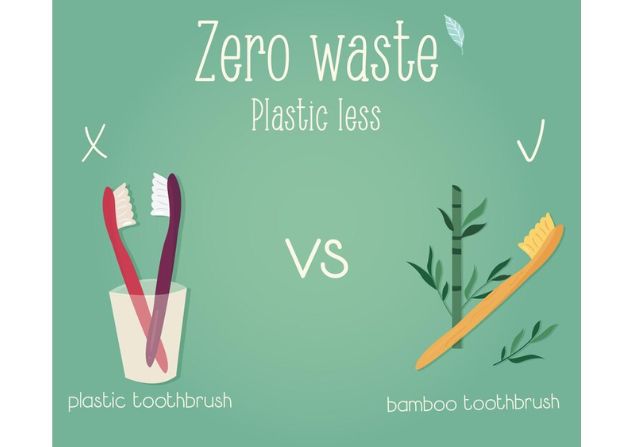
When compared to traditional materials, bamboo stand out for their environmental and practical advantages. Bamboo is stronger and more durable than many types of wood, decomposes faster than plastic, and requires fewer resources to grow than cotton. This comparison highlights why bamboo is a superior choice for sustainable living.
Bamboo vs. Wood
Bamboo often outperforms traditional wood in both sustainability and functionality. Unlike wood, which can take decades to mature, bamboo grows rapidly and can be harvested every few years without replanting, making it a highly renewable resource. Bamboo’s tensile strength rivals that of many hardwoods, making it an excellent material for durable products like flooring, furniture, and building materials. Additionally, bamboo cultivation typically requires fewer pesticides and fertilizers than conventional wood, reducing its environmental footprint. As a result, bamboo offer a greener alternative to wood, combining durability with eco-friendly benefits.
Bamboo vs. Plastic
When comparing bamboo products to plastic, the environmental advantages of bamboo are clear. Bamboo is a natural, biodegradable material that decomposes without leaving harmful residues, unlike plastic, which can take hundreds of years to break down and contributes significantly to pollution and landfill waste. Bamboo products, such as utensils, straws, and containers, provide the same functionality as their plastic counterparts but with a much lower environmental impact. Moreover, bamboo’s renewable nature and the reduced energy required for its production make it a more sustainable choice. Transitioning to bamboo products helps combat plastic pollution and promotes a healthier planet.
Bamboo vs. Cotton
Bamboo products offer several benefits over cotton, particularly in terms of sustainability and resource efficiency. It requires significantly less water to grow than cotton, which is one of the most water-intensive crops. Additionally, bamboo grows quickly and does not require chemical fertilizers or pesticides, whereas cotton often relies heavily on these chemicals, contributing to soil and water pollution. Bamboo fibers are also naturally antibacterial and hypoallergenic, making them ideal for clothing and textiles that are gentle on the skin. As a result, bamboo products are not only more environmentally friendly but also offer superior performance and comfort compared to cotton.
Benefits of Using Bamboo Products
Bamboo products offer numerous benefits beyond their environmental sustainability. They have natural antimicrobial properties, making them safer for household and personal use. Economically, bamboo products are cost-effective due to their durability and low maintenance requirements. These benefits make bamboo products an attractive option for eco-conscious consumers.

Environmental Benefits
Bamboo products offer a multitude of environmental benefits that contribute to a greener and more sustainable planet. Bamboo cultivation requires minimal water compared to other crops, helping to conserve precious water resources. Additionally, bamboo forests act as carbon sinks, absorbing more carbon dioxide and releasing more oxygen than equivalent stands of trees. Bamboo’s rapid growth rate and ability to regenerate quickly make it a highly renewable resource, reducing pressure on natural forests. Furthermore, bamboo cultivation often requires fewer pesticides and fertilizers, minimizing chemical runoff and soil contamination. By choosing bamboo products, consumers can play a significant role in mitigating climate change and preserving biodiversity.
Health and Safety Benefits
Bamboo products offer numerous health and safety benefits, making them a preferred choice for eco-conscious consumers. Naturally antibacterial and hypoallergenic, bamboo fibers are ideal for clothing and bedding, especially for those with sensitive skin or allergies. Additionally, bamboo kitchenware and utensils resist mold and mildew, reducing the risk of bacterial growth and contamination. Moreover, bamboo does not contain harmful chemicals or toxins commonly found in synthetic materials, ensuring that products made from bamboo are safe for both humans and the environment. By incorporating bamboo products into their daily lives, consumers can enjoy peace of mind knowing that they are choosing healthy and sustainable options.
Economic Benefits
In addition to their environmental and health advantages, bamboo based products offer significant economic benefits for both producers and consumers. Bamboo cultivation provides livelihoods for millions of people worldwide, particularly in rural and developing regions where bamboo grows abundantly. The fast growth rate of bamboo allows for frequent harvesting, generating income for farmers and promoting economic stability in local communities. From a consumer standpoint, bamboo products often offer excellent value for money, thanks to their durability and longevity. While initial investment may be slightly higher than conventional alternatives, the long-term savings from reduced maintenance and replacement costs make bamboo products a cost-effective choice. Furthermore, the growing demand for bamboo based products creates opportunities for innovation and entrepreneurship, driving economic growth and job creation in various industries.
Innovations in Bamboo Product Manufacturing
Innovations in bamboo product manufacturing are continually expanding the possibilities for bamboo baesd products. Advances in processing techniques and new product developments are enhancing the durability and functionality of bamboo based products. This section explores how these innovations are driving the growth of the bamboo industry and increasing the range of available bamboo products.
Advances in Bamboo Processing
Advancements in bamboo processing techniques have led to significant improvements in the quality, versatility, and sustainability of bamboo based products. Innovations such as bamboo fiber extraction technologies and advanced manufacturing processes have expanded the range of applications for bamboo, allowing for the creation of stronger, more durable, and more aesthetically pleasing products. Additionally, new processing methods have optimized resource utilization and minimized waste, making bamboo processing more efficient and environmentally friendly. These advances have propelled the bamboo industry forward, unlocking new possibilities for sustainable innovation and product development.
New Bamboo Product Developments
The continuous evolution of bamboo based products is driven by ongoing research, development, and innovation. New bamboo product developments are constantly emerging across various industries, offering innovative solutions to modern challenges while prioritizing sustainability and functionality. From biodegradable bamboo packaging materials to advanced bamboo-based textiles and composites, the range of new bamboo based products entering the market reflects a growing demand for eco-friendly alternatives. These developments not only showcase the versatility and adaptability of bamboo but also demonstrate its potential to replace less sustainable materials in diverse applications, contributing to a more sustainable future.
Case Studies of Innovative Bamboo Products
Case studies of innovative products highlight real-world examples of how bamboo is being used creatively to address specific needs and challenges. These case studies showcase the versatility, durability, and sustainability of bamboo across various industries and applications. Examples may include bamboo-based construction materials used in eco-friendly buildings, bamboo fibers utilized in lightweight and breathable sportswear, or bamboo-based packaging solutions adopted by forward-thinking companies to reduce waste and environmental impact. By examining successful implementations of bamboo , businesses and consumers can gain insights into the practical benefits and potential applications of bamboo in their own contexts, inspiring further innovation and adoption of sustainable practices.
How to Incorporate Bamboo Products into Your Life
Incorporating bamboo based products into your life can significantly reduce your environmental footprint. This chapter provides practical tips for transitioning to bamboo products, from selecting beginner-friendly items to engaging in DIY bamboo projects. By making these changes, you can enjoy the benefits of bamboo while contributing to a more sustainable future.
Tips for Transitioning to Bamboo Products
Transitioning to bamboo is a rewarding journey towards a more sustainable lifestyle. To make the switch easier, start by identifying areas in your daily life where you can replace conventional products with their bamboo alternatives. Focus on high-impact items such as kitchenware, personal care products, and household essentials. Research reputable brands known for their commitment to sustainability and quality products. When shopping, look for certifications such as FSC (Forest Stewardship Council) or USDA Organic to ensure that the bamboo is sourced responsibly. Gradually incorporate bamboo based products into your routine, replacing one item at a time, and give yourself time to adjust. By taking small steps and being mindful of your consumption habits, you can make a meaningful difference for the planet while enjoying the benefits of bamboo based products.
Recommended Bamboo Products for Beginners
For those new to bamboo , starting with a few key items can make the transition smoother and more manageable. Consider investing in versatile bamboo kitchenware such as cutting boards, utensils, and storage containers, which offer durability and functionality while reducing plastic usage in the kitchen. Bamboo toothbrushes and hairbrushes are excellent alternatives to their plastic counterparts, providing a sustainable option for personal care routines. Bamboo clothing basics like t-shirts and socks are comfortable, breathable, and eco-friendly, making them ideal for everyday wear. Additionally, bamboo towels and bedding offer luxurious softness and absorbency, elevating your home essentials while minimizing environmental impact. By incorporating these recommended products into your life, you can take the first step towards a greener and more sustainable lifestyle.
DIY Bamboo Projects
Embarking on DIY bamboo projects is a fun and creative way to explore the versatility of this sustainable material while adding a personal touch to your home. Start by collecting bamboo stalks or scraps from local sources or bamboo-based products that have reached the end of their lifespan. From there, the possibilities are endless.
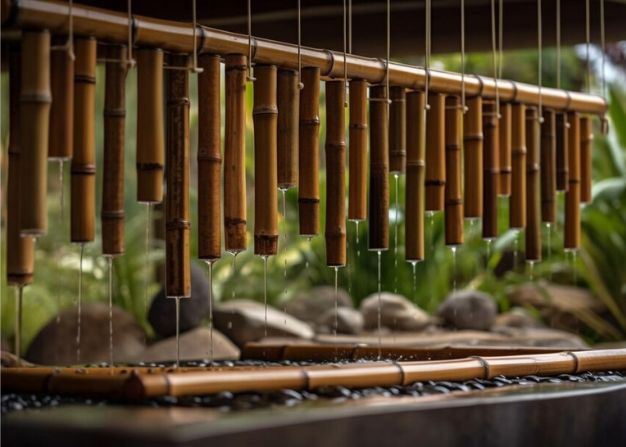
Create stylish bamboo planters or vases by cutting bamboo stalks to different lengths and sealing the ends with waterproof sealant. Build a bamboo trellis for your garden or balcony to support climbing plants and add a decorative element to outdoor spaces. Craft bamboo wind chimes or musical instruments by hollowing out bamboo segments and suspending them from a frame.
You can also experiment with bamboo furniture restoration or upcycling projects to breathe new life into old pieces. With a bit of creativity and ingenuity, DIY bamboo projects offer a rewarding way to repurpose this sustainable material and unleash your inner artisan.
Future Trends in Bamboo Products
The future of bamboo looks promising, with continued market growth and emerging technologies expanding their applications. This chapter explores predicted trends and the potential impact of bamboo on global sustainability efforts. Bamboo is poised to become a cornerstone of eco-friendly living in the years to come.
Predictions for Market Growth
The market for bamboo is poised for significant growth in the coming years as consumers increasingly prioritize sustainability and seek eco-friendly alternatives. With growing awareness of the environmental impact of conventional materials, there is a rising demand for these products across various industries, including construction, textiles, consumer goods, and packaging. Market analysts predict that this trend will continue to accelerate, driven by factors such as increasing environmental consciousness, government initiatives promoting sustainable practices, and technological advancements in bamboo processing. As more companies invest in bamboo cultivation and product development, the market is expected to expand rapidly, offering lucrative opportunities for businesses and contributing to a more sustainable global economy.
Emerging Bamboo Technologies
Emerging bamboo technologies are unlocking new possibilities for utilizing this versatile and sustainable material in innovative ways. From advancements in bamboo fiber extraction and processing to the development of engineered bamboo composites and biomimetic materials, researchers and engineers are exploring the full potential of bamboo across various applications. These technologies enable the creation of stronger, more durable, and more environmentally friendly products, paving the way for a new generation of bamboo-based solutions. Whether it’s using bamboo in construction to reduce carbon emissions or incorporating bamboo fibers into high-performance textiles, emerging bamboo technologies are driving sustainable innovation and shaping the future of multiple industries.
The Role of Bamboo in Global Sustainability Efforts
Bamboo plays a crucial role in global sustainability efforts by offering a renewable, resource-efficient, and eco-friendly alternative to conventional materials. As a fast-growing plant with high carbon sequestration capabilities, bamboo helps mitigate climate change by absorbing carbon dioxide from the atmosphere and releasing oxygen. Bamboo cultivation also promotes biodiversity conservation, soil erosion prevention, and watershed protection, making it a valuable tool for ecosystem restoration and environmental conservation. Additionally, bamboo contribute to reducing plastic pollution, deforestation, and reliance on fossil fuels, further supporting sustainable development goals. By harnessing the power of bamboo, countries and communities worldwide can advance their sustainability agendas, foster economic growth, and build a more resilient and harmonious relationship with the planet.
Conclusion
The journey through the world of bamboo reveals their immense potential for driving sustainable living. This conclusion recaps the key points discussed, reinforcing the idea that bamboo is a viable, long-term solution for reducing environmental impact. Embracing these products is a crucial step towards a greener, more sustainable future.
Recap of Key Points
Throughout this exploration of bamboo , several key points have emerged. Bamboo’s rapid growth, renewability, and minimal environmental impact make it a highly sustainable resource for various industries. From household items and fashion accessories to kitchenware and personal care products, bamboo offers versatility and functionality without compromising on eco-friendliness. Advances in bamboo processing and product development are driving innovation and expanding the range of bamboo-based solutions available to consumers. As we transition to a more sustainable future, bamboo is poised to play a crucial role in reducing our ecological footprint and promoting a healthier planet for generations to come.
Final Thoughts on the Future of Bamboo Products
In conclusion, the future of bamboo is bright and promising. With increasing global awareness of environmental issues and the growing demand for sustainable alternatives, bamboo is poised to become a cornerstone of eco-friendly living. As technology advances and consumer preferences shift towards more sustainable options, the market for these products will continue to expand, offering innovative solutions across various industries. By harnessing the full potential of bamboo and embracing its benefits, we can build a more sustainable and resilient future. As individuals, businesses, and communities come together to prioritize sustainability, these products will undoubtedly play a central role in shaping a greener, more sustainable world for generations to come.
Follow us on Instagram