






Blog
Sustainability 10 Simple Ways to Incorporate into Your Daily Life


In an era where environmental consciousness is paramount, understanding how to practice sustainability in everyday life is crucial. “10 Simple Ways to Incorporate into Your Daily Life” offers practical tips that make eco-friendly living accessible and straightforward. From reducing waste to conserving energy, these easy strategies will help you make a positive impact on the planet. Dive in and discover how small changes can lead to a more sustainable lifestyle.
The importance of sustainability cannot be overstated as we strive to protect our planet for future generations. “10 Simple Ways to Incorporate into Your Daily Life” is designed to help you integrate eco-friendly practices into your routine effortlessly. By adopting these simple yet effective methods, you can contribute to a healthier environment while enjoying the benefits of a greener lifestyle. Start your journey towards sustainability today with these actionable tips.
As global environmental concerns grow, incorporating sustainability into our daily routines becomes increasingly important. “10 Simple Ways to Incorporate into Your Daily Life” highlights straightforward and impactful ways to adopt eco-friendly habits. These tips are designed to simplify the transition to a greener lifestyle, ensuring that sustainability is within everyone’s reach. Learn how to make meaningful changes that benefit both you and the environment.
Table of Contents
- Understanding Sustainability
- Reduce, Reuse, Recycle
- Conserve Energy at Home
- Sustainable Eating Habits
- Eco-Friendly Transportation
- Mindful Consumption
- Water Conservation
- Sustainable Home and Garden
- Engaging in Community Efforts
- Educating and Inspiring Others
Understanding Sustainability
Understanding sustainability is crucial for making informed decisions that positively impact the environment, economy, and society. Sustainability refers to meeting our current needs without compromising the ability of future generations to meet theirs. It encompasses practices that promote the long-term health of natural systems, economic vitality, and social well-being. By prioritizing sustainability, we can create a balanced approach to growth and development, ensuring that resources are managed responsibly and equitably. Embracing sustainability in our daily lives helps protect the planet and fosters a more resilient and inclusive future for all.

What is Sustainability?
Sustainability is the practice of meeting our present needs without compromising the ability of future generations to meet their own. It involves a balanced approach that integrates environmental health, economic viability, and social equity. By focusing on sustainability, we ensure that natural resources are used responsibly and preserved for the future, economic growth is inclusive and long-lasting, and social systems support a high quality of life for everyone. Ultimately, sustainability is about creating a harmonious relationship between humans and the natural world, promoting practices that benefit both people and the planet.
Benefits of Living Sustainably
Living sustainably offers numerous benefits that positively impact individuals, communities, and the planet. One of the primary benefits of living sustainably is the reduction of environmental damage, such as decreased pollution and conservation of natural resources. Sustainable practices like recycling, energy efficiency, and using renewable resources help mitigate climate change and protect ecosystems. Additionally, sustainability often leads to cost savings through reduced energy bills and lower consumption. It also promotes a healthier lifestyle by encouraging the consumption of organic and locally-sourced foods, reducing exposure to harmful chemicals. Socially, sustainability fosters stronger communities by encouraging local production and supporting fair trade. Overall, the benefits of living sustainably contribute to a healthier, more equitable, and resilient world for current and future generations.
Reduce, Reuse, Recycle
The principles of “Reduce, Reuse, Recycle” are fundamental to achieving sustainability. By reducing our consumption, we minimize waste and decrease the strain on natural resources, ensuring their availability for future generations. Reusing items extends their lifecycle, reducing the need for new products and cutting down on the environmental impact of manufacturing and disposal. Recycling transforms waste materials into new products, conserving resources and energy. Embracing these practices not only reduces landfill waste and pollution but also promotes a culture of sustainability. By incorporating “Reduce, Reuse, Recycle” into our daily lives, we make significant strides towards a more sustainable and eco-friendly future.

Practical Tips for Reducing Waste
Reducing waste is a critical aspect of sustainability, and there are many practical tips to help achieve this goal. Start by being mindful of your purchases, choosing products with minimal packaging and opting for reusable items like cloth bags, stainless steel water bottles, and glass containers. Embrace the habit of composting organic waste, which not only reduces landfill use but also creates nutrient-rich soil for gardening. Avoid single-use plastics by using alternatives such as beeswax wraps for food storage and metal straws. Additionally, donate or repurpose old clothing, furniture, and electronics instead of discarding them. Implementing these practical tips for reducing waste helps conserve resources, lowers environmental impact, and fosters a more sustainable lifestyle.
Creative Ways to Reuse Everyday Items
Finding creative ways to reuse everyday items is a practical approach to sustainability that extends the life of products and reduces waste. For example, glass jars can be repurposed as storage containers for pantry items or as stylish vases. Old t-shirts can be transformed into cleaning rags or tote bags. Wine corks can be used to create unique bulletin boards, and cardboard boxes can be converted into storage organizers or playhouses for children. Even broken items can find new life; for instance, chipped mugs can become planters. By thinking creatively about reusing items, we can significantly reduce our environmental footprint and contribute to a more sustainable lifestyle.
Effective Recycling Practices
Effective recycling practices are essential for maximizing the benefits of sustainability. Start by understanding your local recycling guidelines to ensure proper sorting and disposal of recyclables. Clean and dry items before recycling to prevent contamination, which can render an entire batch of recyclables unusable. Separate materials like paper, plastics, glass, and metals, and be mindful of items that cannot be recycled, such as certain types of plastic and contaminated food containers. Additionally, participate in electronic waste recycling programs to safely dispose of old gadgets and batteries. By following these effective recycling practices, we can conserve resources, reduce pollution, and support the circular economy.
Conserve Energy at Home
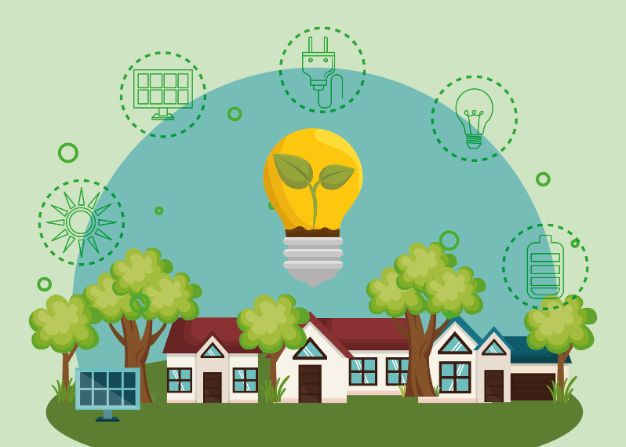
Conserving energy at home is an essential practice for achieving sustainability and reducing household utility costs. Simple measures can lead to significant energy savings. Start by improving insulation and sealing drafts to maintain a consistent indoor temperature, reducing the need for excessive heating and cooling. Upgrade to energy-efficient appliances and LED lighting, which consume less power while providing the same level of performance. Use programmable thermostats to optimize heating and cooling schedules according to your daily routine. Incorporate habits like turning off lights and unplugging electronics when not in use, and take advantage of natural light whenever possible. Additionally, using cold water for laundry and air-drying clothes can further reduce energy consumption. By implementing these strategies, you can significantly lower your energy usage, decrease your environmental impact, and contribute to a more sustainable future.
Energy-Efficient Appliances
Investing in energy-efficient appliances is a key strategy for promoting sustainability and reducing household energy consumption. These appliances, often marked with ENERGY STAR labels, use advanced technology to perform the same tasks as their traditional counterparts while consuming significantly less energy. This not only lowers utility bills but also reduces greenhouse gas emissions. For instance, energy-efficient refrigerators, washing machines, and dishwashers use less electricity and water, contributing to resource conservation. Additionally, many energy-efficient appliances come with smart features that optimize their operation, further enhancing their efficiency. By choosing energy-efficient appliances, we can enjoy the benefits of modern conveniences while minimizing our environmental impact.
Simple Habits to Reduce Energy Consumption
Adopting simple habits to reduce energy consumption can make a substantial difference in promoting sustainability. Start by turning off lights, appliances, and electronics when they are not in use. Utilize natural light during the day and switch to LED bulbs, which use significantly less energy. Adjust your thermostat by a few degrees lower in winter and higher in summer to save on heating and cooling costs. Unplug chargers and devices that draw power even when not in use, a phenomenon known as “phantom load.” Additionally, washing clothes in cold water and air-drying them can reduce energy usage. These small, mindful changes in daily habits can collectively lead to significant energy savings and a smaller carbon footprint.
Benefits of Using Renewable Energy Sources
Using renewable energy sources offers numerous benefits that align with sustainability goals. Renewable energy, such as solar, wind, and hydro power, is abundant and inexhaustible, providing a reliable alternative to fossil fuels. It produces little to no greenhouse gas emissions, significantly reducing air pollution and mitigating climate change. By harnessing renewable energy, we decrease our dependence on finite resources and enhance energy security. Moreover, the renewable energy sector creates jobs and stimulates economic growth, fostering sustainable development. Adopting renewable energy sources not only protects the environment but also promotes a resilient and sustainable energy future for generations to come.
Sustainable Eating Habits
Adopting sustainable eating habits is a powerful way to reduce your environmental footprint and promote health. This involves choosing locally-sourced and seasonal foods, which minimizes the carbon emissions associated with long-distance transportation. Opt for organic produce and sustainably farmed meat to avoid harmful pesticides and support eco-friendly farming practices. Reducing meat consumption, even slightly, can significantly lower greenhouse gas emissions and conserve resources. Additionally, minimizing food waste by planning meals, using leftovers creatively, and composting organic scraps contributes to a more sustainable food system. These habits not only benefit the environment but also support local economies and enhance personal well-being.

Choosing Local and Organic Foods
Choosing local and organic foods is a key component of sustainable eating habits. Local foods require fewer resources for transportation, reducing carbon emissions and supporting the local economy. Organic farming practices avoid synthetic pesticides and fertilizers, which benefit soil health, water quality, and biodiversity. Additionally, organic foods are often fresher and more nutrient-rich, promoting better health. By prioritizing local and organic foods, you can enjoy delicious, high-quality produce while contributing to environmental conservation and supporting sustainable agriculture.
Reducing Food Waste
Reducing food waste is essential for sustainability, as it conserves resources and reduces greenhouse gas emissions from landfills. Practical steps to minimize waste include planning meals, buying only what you need, and storing food properly to extend its shelf life. Repurposing leftovers creatively and composting food scraps further reduce waste. By being mindful of food consumption and waste, you not only save money but also play a crucial role in building a more sustainable food system, where resources are used efficiently and responsibly.
Plant-Based Diets and Sustainability
Adopting a plant-based diet is a highly effective way to promote sustainability. Plant-based foods generally require fewer resources to produce compared to animal products, resulting in lower greenhouse gas emissions, reduced water usage, and less land degradation. Incorporating more fruits, vegetables, grains, and legumes into your diet can significantly reduce your environmental footprint. Additionally, plant-based diets are often associated with numerous health benefits, including lower risks of chronic diseases. By choosing plant-based meals, you support a more sustainable and health-conscious lifestyle that benefits both the planet and your well-being.
Eco-Friendly Transportation
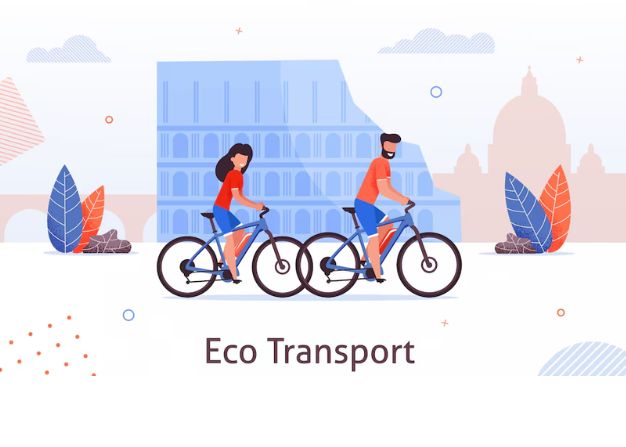
Choosing eco-friendly transportation options is crucial for reducing carbon emissions and promoting sustainability. Public transportation, biking, and walking are excellent alternatives to driving, significantly lowering your carbon footprint. Carpooling and ride-sharing can also reduce the number of vehicles on the road, cutting down on traffic congestion and pollution. For those who need a personal vehicle, investing in electric or hybrid cars is a more sustainable choice. Additionally, practicing fuel-efficient driving habits, such as maintaining steady speeds and avoiding idling, can further enhance energy conservation. By opting for eco-friendly transportation, you contribute to cleaner air, reduced greenhouse gas emissions, and a healthier planet.
Benefits of Public Transport and Carpooling
Utilizing public transport and carpooling offers significant benefits for sustainability and urban living. Public transportation systems, such as buses, trains, and subways, can move large numbers of people efficiently, reducing the number of individual vehicles on the road. This decreases traffic congestion, lowers greenhouse gas emissions, and reduces air pollution. Carpooling similarly consolidates the number of cars, which conserves fuel and minimizes environmental impact. Additionally, both options can save money on transportation costs and reduce wear and tear on personal vehicles. By choosing public transport or carpooling, you contribute to a more sustainable, cost-effective, and less congested urban environment.
Tips for Cycling and Walking More
Incorporating more cycling and walking into your daily routine is an excellent way to enhance sustainability and personal health. Start by mapping out safe, bike-friendly routes in your area and investing in a reliable bicycle and proper safety gear. For walking, identify opportunities to replace short car trips with foot travel, such as errands or commuting to work. Utilize apps and community resources to find local walking and biking groups for support and motivation. Both cycling and walking reduce carbon emissions, save on fuel costs, and promote physical fitness. Making these activities a regular part of your life helps you stay active and supports a cleaner, greener environment.
Electric and Hybrid Vehicles
Electric vehicles are transformative options for reducing environmental impact and promoting sustainability in transportation. EVs run on electricity alone, producing zero tailpipe emissions, while hybrid vehicles combine a conventional engine with an electric motor, reducing fuel consumption and emissions. These vehicles are often more energy-efficient and cost-effective over time, thanks to lower operating and maintenance costs. Advancements in technology have increased the range and affordability of EVs, making them a viable option for many consumers. By choosing electric or hybrid vehicles, you can significantly reduce your carbon footprint, decrease reliance on fossil fuels, and contribute to cleaner air and a healthier planet.
Mindful Consumption
Mindful consumption involves being aware of the environmental and social impacts of the products we buy and using resources wisely. This means choosing products that are sustainably sourced, ethically made, and have minimal packaging. Prioritize quality over quantity by investing in durable goods that last longer, reducing the need for frequent replacements. Support companies and brands that prioritize sustainability and fair trade practices. Additionally, consider the lifecycle of products and opt for items that can be recycled or upcycled. By practicing mindful consumption, you can reduce waste, conserve resources, and foster a more sustainable economy.

Choosing Sustainable Products
Choosing sustainable products is an essential practice for promoting environmental responsibility and reducing our ecological footprint. Sustainable products are typically made from renewable or recycled materials, produced with minimal environmental impact, and designed for longevity. By selecting items that are ethically sourced and manufactured, you support practices that prioritize the health of our planet. Look for certifications like Fair Trade, USDA Organic, or ENERGY STAR to ensure the products meet high sustainability standards. By consciously choosing sustainable products, you contribute to a circular economy, where resources are used efficiently, waste is minimized, and the impact on ecosystems is reduced.
Supporting Eco-Friendly Brands
Supporting eco-friendly brands is a powerful way to drive market demand for sustainable practices and products. Eco-friendly brands prioritize environmental and social responsibility, often using sustainable materials, ethical labor practices, and green manufacturing processes. By choosing to purchase from these brands, you support businesses that are committed to reducing their environmental impact and promoting sustainability. This encourages other companies to adopt similar practices to meet consumer demand. Additionally, many eco-friendly brands contribute to environmental conservation efforts, further amplifying their positive impact. Your purchasing choices can help foster a more sustainable economy and inspire broader industry change.
Reducing Single-Use Plastics
Reducing single-use plastics is crucial for combating plastic pollution and fostering sustainability. Single-use plastics, such as straws, bags, bottles, and packaging, contribute significantly to environmental degradation, often ending up in oceans and harming wildlife. To reduce your reliance on these items, opt for reusable alternatives like stainless steel water bottles, cloth shopping bags, and glass containers. Avoid products with excessive plastic packaging and support brands that use biodegradable or recyclable materials. By making a conscious effort to reduce single-use plastics, you help decrease waste, conserve resources, and protect natural ecosystems from plastic pollution.
Water Conservation
Water conservation is essential for maintaining a sustainable supply of this vital resource. Simple practices can make a significant impact, such as fixing leaks promptly, installing low-flow fixtures, and using water-efficient appliances. Collecting rainwater for gardening and using drought-resistant plants in landscaping can also reduce water usage. Being mindful of water use in daily activities, like taking shorter showers and turning off the tap while brushing teeth, contributes to overall conservation efforts. By adopting these water-saving habits, we can ensure a reliable water supply for future generations and protect our natural ecosystems.

Simple Ways to Save Water at Home
Saving water at home is both simple and effective for promoting sustainability and conserving this vital resource. Start by fixing leaks promptly, as even small drips can waste significant amounts of water over time. Install aerators on faucets and opt for low-flow showerheads to reduce water usage without sacrificing performance. Be mindful of water use during daily activities, such as turning off the tap while brushing teeth, taking shorter showers, and running dishwashers and washing machines only with full loads. Collecting cold water while waiting for it to heat up and using it for plants or cleaning also helps reduce waste. These easy, everyday practices can significantly lower your water consumption and support a more sustainable lifestyle.
Benefits of Water-Efficient Fixtures
Water-efficient fixtures offer numerous benefits, making them a smart choice for both homeowners and the environment. These fixtures, including low-flow toilets, showerheads, and faucets, are designed to use less water while maintaining strong performance. By installing water-efficient fixtures, you can significantly reduce household water consumption, leading to lower utility bills and conservation of this precious resource. Additionally, reducing water usage lessens the strain on local water supplies and wastewater treatment systems, contributing to overall environmental health. Water-efficient fixtures are an essential component of sustainable living, helping to preserve water resources for future generations.
Rainwater Harvesting and Greywater Recycling
Rainwater harvesting is an innovative methods for conserving water and promoting sustainability at home. It involves collecting and storing rainwater from rooftops for various uses, such as irrigation, flushing toilets, or even laundry. This reduces reliance on municipal water supplies and helps manage stormwater runoff. Greywater recycling, on the other hand, repurposes gently used water from sinks, showers, and washing machines for non-potable purposes like landscape irrigation. Both practices significantly reduce water waste, lower utility costs, and provide an alternative water source during droughts or water restrictions. By implementing these systems, you can make a substantial impact on water conservation and support sustainable water management.
Sustainable Home and Garden
Creating a sustainable home and garden involves making eco-friendly choices that reduce environmental impact. Start with energy-efficient lighting, appliances, and proper insulation to minimize energy consumption. Use eco-friendly building materials and non-toxic paints to ensure a healthy living environment. In the garden, practice sustainable landscaping by planting native species, which require less water and maintenance, and using organic fertilizers and pest control methods. Composting kitchen and garden waste reduces landfill contributions and enriches soil naturally. By integrating these sustainable practices, you create a living space that is harmonious with the environment and promotes long-term ecological balance.

Creating an Eco-Friendly Home Environment
Creating an eco-friendly home environment involves making choices that reduce your environmental impact and promote a healthier living space. Start by improving energy efficiency through better insulation, energy-efficient windows, and LED lighting. Use eco-friendly materials such as bamboo flooring, reclaimed wood, and low-VOC paints to reduce indoor pollution and resource consumption. Implement water-saving fixtures like low-flow faucets and showerheads. Choose sustainable furniture and decor made from recycled or sustainably sourced materials. Incorporate indoor plants to improve air quality and bring a touch of nature indoors. By making these changes, you can create a home that is not only comfortable and stylish but also gentle on the planet.
Tips for Sustainable Gardening
Sustainable gardening is about creating a garden that thrives while conserving resources and supporting local ecosystems. Start by planting native species that are adapted to your local climate and soil, requiring less water and maintenance. Use organic compost and natural fertilizers to enrich the soil, and practice mulching to retain moisture and reduce weeds. Implement water-efficient irrigation methods, such as drip systems or rainwater harvesting. Avoid chemical pesticides and herbicides, opting instead for natural pest control solutions like beneficial insects or companion planting. By adopting these sustainable gardening practices, you can create a vibrant, productive garden that benefits the environment and supports local biodiversity.
Benefits of Planting Trees and Native Plants
Planting trees and native plants offers numerous benefits for both the environment and local ecosystems. Trees absorb carbon dioxide, helping to mitigate climate change, and provide oxygen, improving air quality. They also offer shade, reducing the need for air conditioning and lowering energy costs. Native plants are well-adapted to local conditions, requiring less water, fertilizer, and maintenance than non-native species. They provide essential habitats and food sources for local wildlife, supporting biodiversity. Additionally, native plants help prevent soil erosion and maintain the natural landscape. By planting trees and native plants, you contribute to a healthier, more resilient environment and promote sustainability in your community.
Engaging in Community Efforts
Engaging in community efforts is a powerful way to amplify the impact of sustainability initiatives. Participating in local clean-up events, tree planting drives, and recycling programs helps improve the community’s environmental health. Supporting local farmers’ markets and community-supported agriculture (CSA) promotes sustainable food systems. Joining or forming sustainability-focused groups can foster collective action and education on green practices. Additionally, advocating for local policies that support environmental protection and sustainability can lead to broader systemic changes. By working together, communities can achieve significant progress towards a sustainable future, benefiting everyone involved.

Participating in Local Environmental Initiatives
Participating in local environmental initiatives is a powerful way to contribute to sustainability efforts in your community. These initiatives, such as community clean-ups, tree planting events, and recycling drives, offer tangible ways to improve the local environment. By getting involved, you help reduce pollution, enhance green spaces, and promote conservation. Additionally, these activities raise awareness about environmental issues and inspire others to take action. Engaging in local initiatives also fosters a sense of community and shared responsibility, empowering residents to collectively work towards a healthier, more sustainable future.
Volunteering for Sustainability Projects
Volunteering for sustainability projects allows you to make a direct and meaningful impact on environmental conservation. Opportunities abound, from habitat restoration and wildlife protection to urban gardening and renewable energy projects. Volunteering not only helps these projects succeed but also provides valuable hands-on experience and knowledge about sustainable practices. It connects you with like-minded individuals and organizations, fostering a network of people dedicated to environmental stewardship. Through your efforts, you contribute to important sustainability goals, support community resilience, and inspire others to join the movement for a greener planet.
Building a Community Around Sustainable Practices
Building a community around sustainable practices involves fostering a culture of environmental responsibility and collective action. Start by engaging with neighbors, friends, and local organizations to share ideas and resources for living sustainably. Organize workshops, discussion groups, and events focused on topics like zero waste living, energy conservation, and sustainable gardening. Encourage the formation of local cooperatives and support networks for sharing tools, seeds, and knowledge. By creating a supportive community dedicated to sustainability, you can amplify individual efforts, inspire broader participation, and create lasting positive change in your local area. This collective approach not only enhances the impact of sustainable practices but also strengthens community bonds and resilience.
Educating and Inspiring Others
Educating and inspiring others about sustainability is crucial for building a collective commitment to environmental stewardship. Share your knowledge and experiences through social media, blogs, or community workshops to raise awareness about sustainable practices. Encourage friends, family, and colleagues to adopt eco-friendly habits by demonstrating the benefits and simplicity of making green choices. Support educational programs and initiatives that teach sustainability concepts to children and adults alike. By spreading the message and inspiring action, you contribute to a growing movement towards sustainability, ensuring that more people are equipped to make a positive impact on the planet.

Sharing Your Sustainability Journey
Sharing your sustainability journey is a powerful way to inspire and educate others about the importance of eco-friendly living. By documenting and communicating your experiences, challenges, and successes, you can provide valuable insights and practical tips for adopting sustainable practices. Use social media, blogs, or community forums to reach a wider audience and engage in meaningful discussions. Your personal story can motivate others to start their own journey towards sustainability, demonstrating that small, consistent changes can lead to significant positive impacts on the environment. Sharing your journey not only fosters a sense of community but also helps spread awareness and drive collective action towards a more sustainable future.
Teaching Sustainability to Children
Teaching sustainability to children is crucial for fostering a generation that values and protects the environment. Start by incorporating simple, age-appropriate lessons about nature, recycling, and energy conservation into their daily routines. Encourage hands-on activities like gardening, composting, and crafting with recycled materials to make learning interactive and fun. Lead by example, demonstrating sustainable habits in your own life, such as reducing waste and conserving water. Additionally, discuss the importance of protecting natural resources and wildlife, and explore local environmental projects together. By instilling these values early on, you help children develop a lifelong commitment to sustainability and environmental stewardship.
Inspiring Friends and Family to Live Sustainably
Inspiring friends and family to live sustainably involves leading by example and sharing practical, relatable advice. Start conversations about the environmental benefits of simple changes, such as reducing plastic use, conserving energy, and supporting local products. Share your own experiences and the positive impacts you’ve observed from adopting sustainable practices. Invite them to participate in eco-friendly activities like community clean-ups, farmers’ markets, or sustainable cooking classes. Provide resources, such as documentaries, articles, and DIY tips, to help them understand the importance and feasibility of sustainable living. By creating an encouraging and informative atmosphere, you can motivate those around you to make environmentally conscious choices and collectively contribute to a greener planet.
Conclusion
Embracing sustainability in our daily lives is essential for ensuring the health and longevity of our planet. From adopting eco-friendly habits at home and making conscious choices in our consumption, to actively participating in community efforts and educating the next generation, every action counts. Sustainability is not just a trend but a necessary shift towards a more responsible and harmonious way of living. By prioritizing sustainable practices, we conserve resources, reduce environmental impact, and promote a healthier, more resilient ecosystem. Ultimately, living sustainably empowers us to create a better future for ourselves and generations to come, proving that collective effort and mindful living can lead to profound, positive change.